Loading Gamorium
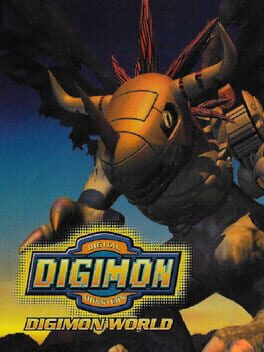
games like
Digimon World
Digimon World leans Optimization (Systems & Chaos). Below: catalogued games with the closest cheat-test profile, and exactly where each one differs.
Matched first against: Role-playing (RPG), Simulator - then ranked by cheat-test profile.
12 games like Digimon World
A cross-genre tag below means that pick didn't share a genre - it filled a slot on cheat-test profile alone.
Diablo IIPure Optimization · action RPG
Both lean on execution about the same (2 vs 2). Biggest difference: optimization (8 vs 9) - Builds, breakpoints, rune economy, magic-find routing are the game
full comparison →
FTL: Faster Than LightSystems & Chaos · roguelike strategy
Both lean on execution about the same (2 vs 2). Biggest difference: variance (6 vs 7) - Sector events and shop rolls drive runs.
full comparison →
Don't StarveSystems & Chaos · wilderness survival
Both lean on execution about the same (2 vs 2). Biggest difference: variance (6 vs 7) - World generation, season timing, and loot rolls are highly random
full comparison →
Baldur's GatePure Optimization · classic CRPG
Both lean on execution about the same (2 vs 2). Biggest difference: variance (6 vs 5) - AD&D dice rolls throughout.
full comparison →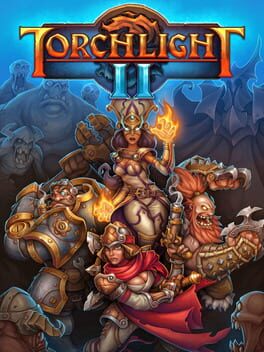
Torchlight IIPure Optimization · action RPG
Both lean on reads about the same (0 vs 0). Biggest difference: execution (2 vs 3) - Faster combat asks for dodging and skill timing
full comparison →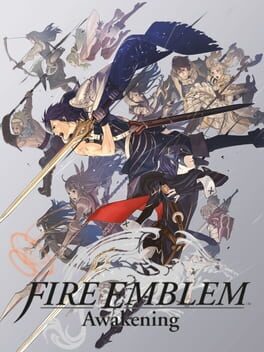
Fire Emblem: AwakeningPure Optimization · tactical SRPG
Both lean on execution about the same (2 vs 2). Biggest difference: reads (0 vs 1) - Enemies follow simple aggro patterns on fixed maps
full comparison →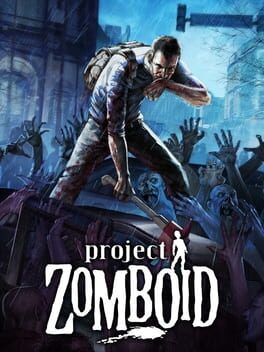
Project ZomboidPure Optimization · zombie survival sim
Both lean on reads about the same (0 vs 0). Biggest difference: execution (2 vs 3) - Combat is deliberate; precision matters but is slow.
full comparison →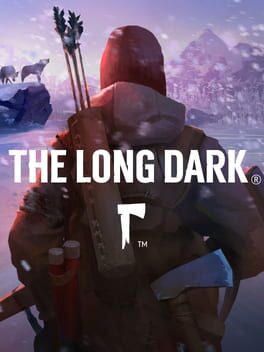
The Long DarkSystems & Chaos · wilderness survival
Both lean on execution about the same (2 vs 2). Biggest difference: optimization (8 vs 7) - Route planning, calorie budgeting, and item condition management are solvable
full comparison →
Mini MetroPure Optimization · transit puzzle
Both lean on execution about the same (2 vs 2). Biggest difference: variance (6 vs 5) - station spawn pattern
full comparison →
Fire Emblem FatesPure Optimization · tactical SRPG
Both lean on execution about the same (2 vs 2). Biggest difference: reads (0 vs 1) - AI follows scripted attack priorities, not player modeling
full comparison →
SacredPure Optimization · action RPG
Both lean on execution about the same (2 vs 2). Biggest difference: variance (6 vs 5) - Loot drops and random world events
full comparison →
Diablo ImmortalSystems & Chaos · mobile action RPG
Both lean on variance about the same (6 vs 6). Biggest difference: execution (2 vs 3) - Touch-friendly combat with dodge timing
full comparison →Game details
- Released
- 1999
- Developer
- Bandai
- Franchise
- Digimon
- Platforms
- PS1
- Modes
- Single player
- IGDB users
- 67/100
Role-playing (RPG)SimulatorAdventureFantasyScience fiction