Loading Gamorium
games like
Path of Exile
Path of Exile leans Optimization (Pure Optimization). Below: catalogued games with the closest cheat-test profile, and exactly where each one differs.
Matched first against: Role-playing (RPG), Hack and slash/Beat 'em up - then ranked by cheat-test profile.
12 games like Path of Exile
A cross-genre tag below means that pick didn't share a genre - it filled a slot on cheat-test profile alone.

Diablo IIPure Optimization · action RPG
Both lean on reads about the same (0 vs 0). Biggest difference: execution (3 vs 2) - Positioning and potion reflexes, little else physical
full comparison →
Fallout 2Pure Optimization · isometric RPG
Both lean on execution about the same (3 vs 2). Biggest difference: execution (3 vs 2) - Turn-based AP system makes twitch entirely irrelevant
full comparison →
XCOM: Enemy UnknownSystems & Chaos · turn-based tactics
Both lean on execution about the same (3 vs 3). Biggest difference: optimization (10 vs 8) - Squad composition, research order, and base economy are solvable
full comparison →
Baldur's Gate II: Shadows of AmnPure Optimization · isometric party RPG
Both lean on optimization about the same (10 vs 10). Biggest difference: execution (3 vs 2) - Pause-and-plan removes twitch entirely; micro-placement has marginal value
full comparison →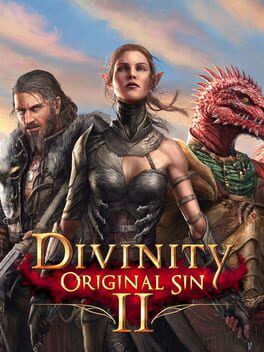
Divinity: Original Sin 2Pure Optimization · tactical party RPG
Both lean on optimization about the same (10 vs 10). Biggest difference: reads (0 vs 2) - Multiplayer PvP arena adds light opponent-reading; solo is scripted
full comparison →
FTL: Faster Than LightSystems & Chaos · roguelike strategy
Both lean on reads about the same (0 vs 0). Biggest difference: execution (3 vs 2) - Pause-and-play tactics, no input precision.
full comparison →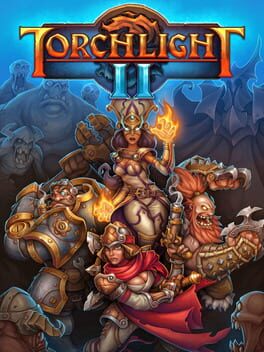
Torchlight IIPure Optimization · action RPG
Both lean on execution about the same (3 vs 3). Biggest difference: optimization (10 vs 8) - Skill trees and gear synergies decide character power
full comparison →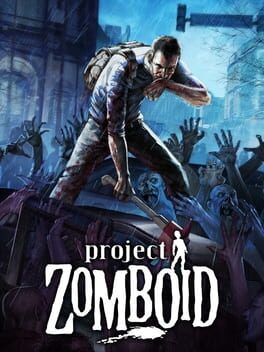
Project ZomboidPure Optimization · zombie survival sim
Both lean on execution about the same (3 vs 3). Biggest difference: optimization (10 vs 8) - Skill grinding, base setup, and routing define survival.
full comparison →
Honkai: Star RailPure Optimization · turn-based RPG
Both lean on execution about the same (3 vs 2). Biggest difference: execution (3 vs 2) - Turn-based; physical input precision is essentially irrelevant
full comparison →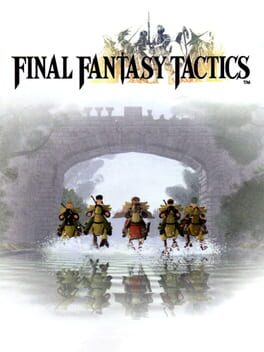
Final Fantasy TacticsPure Optimization · tactical SRPG
Both lean on optimization about the same (10 vs 10). Biggest difference: variance (6 vs 4) - Random drops and some proc rates exist but rarely swing outcomes
full comparison →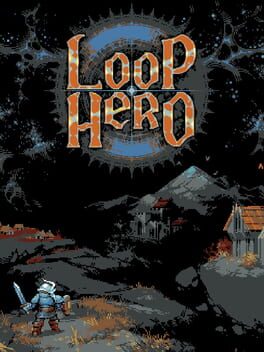
Loop HeroPure Optimization · deckbuilding autobattler
Both lean on reads about the same (0 vs 0). Biggest difference: execution (3 vs 1) - Autobattler, almost no inputs.
full comparison →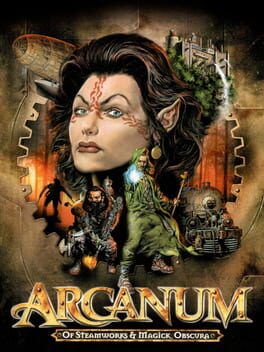
Arcanum: Of Steamworks and Magick ObscuraPure Optimization · isometric RPG
Both lean on execution about the same (3 vs 2). Biggest difference: execution (3 vs 2) - Real-time mode is optional; turn-based eliminates all twitch
full comparison →Game details
- Released
- 2013
- Developer
- Grinding Gear Games
- Platforms
- PS4, PC, PS5, Mac, XONE
- Modes
- Single player, Multiplayer, Co-operative, Massively Multiplayer Online (MMO)
- IGDB critics
- 78/100
- IGDB users
- 82/100
Role-playing (RPG)Hack and slash/Beat 'em upAdventureActionFantasyHorror