Loading Gamorium
games like
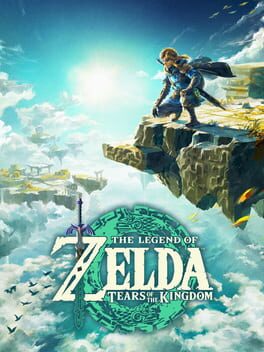
The Legend of Zelda: Tears of the Kingdom
The Legend of Zelda: Tears of the Kingdom leans Optimization (Pure Optimization). Below: catalogued games with the closest cheat-test profile, and exactly where each one differs.
Matched first against: Puzzle, Adventure - then ranked by cheat-test profile.
12 games like The Legend of Zelda: Tears of the Kingdom
A cross-genre tag below means that pick didn't share a genre - it filled a slot on cheat-test profile alone.
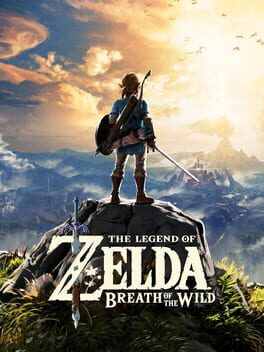
The Legend of Zelda: Breath of the WildPracticed Mastery · open-world adventure
Both lean on execution about the same (4 vs 4). Biggest difference: optimization (8 vs 6) - Shrines, cooking, traversal routes fully solvable.
full comparison →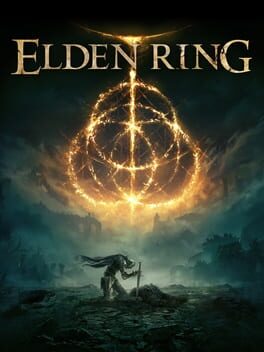
Elden RingPracticed Mastery · open-world soulslike
Both lean on optimization about the same (8 vs 8). Biggest difference: execution (4 vs 8) - Dodge timing and weapon spacing carry every fight.
full comparison →Genshin Impact
Genshin ImpactPracticed Mastery · action RPG
Both lean on reads about the same (0 vs 1). Biggest difference: variance (1 vs 4) - Gacha banner pulls and artifact substats are high-variance systems
full comparison →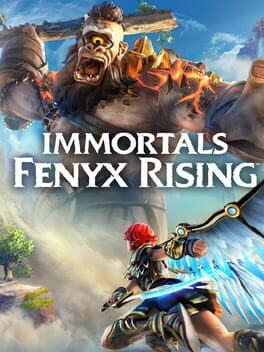
Immortals Fenyx RisingPracticed Mastery · open-world adventure
Both lean on execution about the same (4 vs 4). Biggest difference: optimization (8 vs 6) - Vault puzzles, gear builds, and stamina routing
full comparison →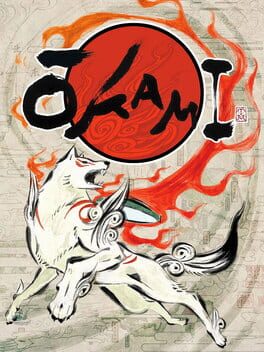
OkamiPracticed Mastery · action adventure
Both lean on reads about the same (0 vs 0). Biggest difference: optimization (8 vs 5) - Brush technique use, upgrades, and exploration
full comparison →
PortalPure Optimization · physics puzzle
Both lean on execution about the same (4 vs 4). Biggest difference: variance (1 vs 0) - Deterministic chambers; no randomness.
full comparison →
UndertalePure Optimization · narrative RPG
Both lean on execution about the same (4 vs 4). Biggest difference: reads (0 vs 1) - NPCs follow fixed dialogue trees, not adaptive
full comparison →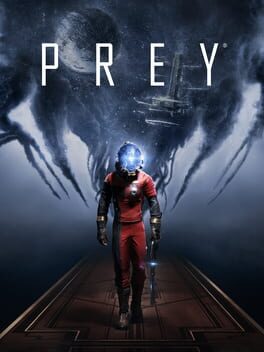
Prey (2017)Pure Optimization · immersive sim
Both lean on execution about the same (4 vs 4). Biggest difference: reads (0 vs 1) - Typhon AI scripted, not adaptive.
full comparison →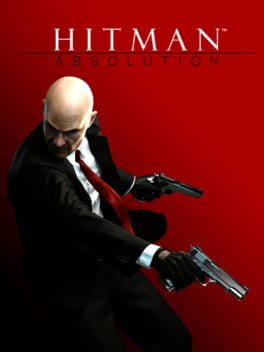
Hitman: AbsolutionPure Optimization · stealth action
Both lean on execution about the same (4 vs 4). Biggest difference: variance (1 vs 2) - Disguise suspicion feels fuzzy until learned
full comparison →
BraidPure Optimization · puzzle platformer
Both lean on execution about the same (4 vs 4). Biggest difference: variance (1 vs 0) - All puzzles are deterministic and hand-crafted
full comparison →
Final Fantasy VII RemakePure Optimization · action JRPG
Both lean on execution about the same (4 vs 4). Biggest difference: reads (0 vs 1) - Bosses use scripted phases; no genuine adaptation.
full comparison →
The Elder Scrolls V: Skyrim - Special EditionPure Optimization · open-world RPG
Both lean on execution about the same (4 vs 4). Biggest difference: variance (1 vs 2) - Loot rolls and radiant quests add minor mapped randomness
full comparison →Game details
- Released
- 2023
- Developer
- Nintendo EPD Production Group No. 3
- Franchise
- The Legend of Zelda
- Platforms
- Switch
- Modes
- Single player
- IGDB critics
- 95/100
- IGDB users
- 93/100
PuzzleAdventureActionFantasyScience fictionSandboxOpen world