Loading Gamorium
games like
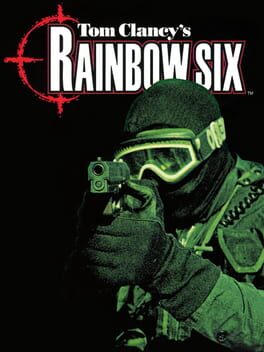
Tom Clancy's Rainbow Six
Tom Clancy's Rainbow Six leans Optimization (Practiced Mastery). Below: catalogued games with the closest cheat-test profile, and exactly where each one differs.
Matched first against: Simulator, Strategy, Tactical - then ranked by cheat-test profile.
Like Tom Clancy's Rainbow Six, but easier
Same cheat-test neighborhood, lower Execution demand - the hands aren't as punishing.
12 games like Tom Clancy's Rainbow Six
A cross-genre tag below means that pick didn't share a genre - it filled a slot on cheat-test profile alone.
Metal Gear Solid V: The Phantom PainPracticed Mastery · stealth sandbox
Both lean on variance about the same (3 vs 3). Biggest difference: execution (6 vs 5) - Stealth and shooting inputs both matter.
full comparison →
The Division 2Practiced Mastery · looter shooter
Both lean on execution about the same (6 vs 6). Biggest difference: reads (3 vs 4) - Dark Zone and conflict PvP feature real adaptive opponents
full comparison →
Overcooked 2Practiced Mastery · co-op management game
Both lean on reads about the same (3 vs 3). Biggest difference: execution (6 vs 7) - High-speed chopping, plating, and movement under pressure is the ceiling
full comparison →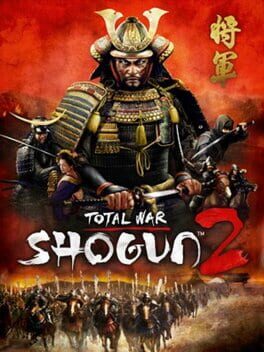
Total War: Shogun 2Practiced Mastery · historical strategy wargame
Both lean on execution about the same (6 vs 6). Biggest difference: variance (3 vs 4) - Metsuke agent skill rolls and random farm yields add moderate unknowns
full comparison →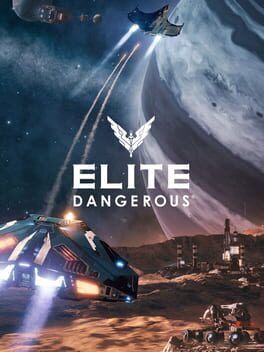
Elite DangerousPracticed Mastery · space sim
Both lean on execution about the same (6 vs 6). Biggest difference: reads (3 vs 2) - Light PvP reads, mostly PvE
full comparison →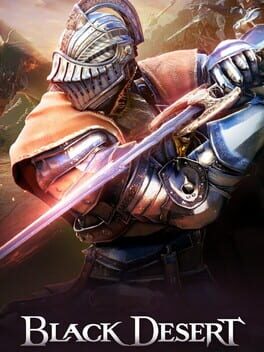
Black DesertPracticed Mastery · sandbox MMORPG
Both lean on execution about the same (6 vs 6). Biggest difference: variance (3 vs 4) - gear enhancement is heavily randomized
full comparison →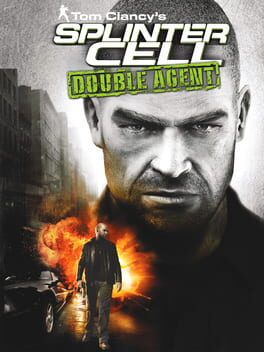
Tom Clancy's Splinter Cell: Double AgentPracticed Mastery · stealth action
Both lean on execution about the same (6 vs 6). Biggest difference: reads (3 vs 2) - Trust meter pressure is scripted, not adaptive.
full comparison →
Warcraft: Orcs & HumansPracticed Mastery · real-time strategy
Both lean on variance about the same (3 vs 3). Biggest difference: execution (6 vs 5) - Clunky unit micro and click speed still matter
full comparison →
Dune 2000Practiced Mastery · classic RTS
Both lean on reads about the same (3 vs 3). Biggest difference: execution (6 vs 5) - Unit micro and build speed matter at competitive pace
full comparison →
Star CitizenPracticed Mastery · online space sim
Both lean on execution about the same (6 vs 6). Biggest difference: variance (3 vs 4) - Server instability and event RNG
full comparison →
The Elder Scrolls OnlinePracticed Mastery · MMORPGcross-genre
Both lean on reads about the same (3 vs 3). Biggest difference: execution (6 vs 5) - Action combat with weaving and rotations
full comparison →
Guild Wars 2Practiced Mastery · action MMORPGcross-genre
Both lean on execution about the same (6 vs 6). Biggest difference: reads (3 vs 4) - WvW and structured PvP feature real adaptive opponents
full comparison →Game details
- Released
- 1998
- Developer
- Saffire Corporation
- Franchise
- Tom Clancy’s
- Platforms
- N64, PC, Mac, PS1, DC
- Modes
- Single player, Multiplayer, Split screen
- IGDB users
- 78/100
ShooterSimulatorStrategyTacticalActionWarfare