Building comparison
head to head
Darkest DungeonvsPhasmophobia
Darkest Dungeon asks more than Phasmophobia, and the gap is optimization.
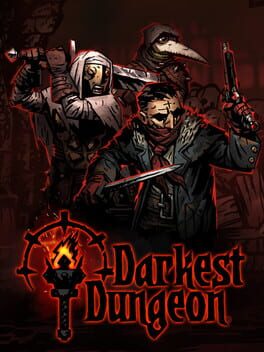
Darkest Dungeon
Optimization · Systems & Chaos
Gothic turn-based roguelike where managing stress and bad dice is the real fight.
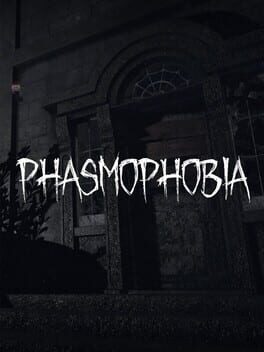
Phasmophobia
Variance · Systems & Chaos
A cooperative horror investigation about identifying a randomised ghost from evidence.
Darkest Dungeon leans Optimization (Systems & Chaos); Phasmophobia leans Variance (Systems & Chaos).
Darkest DungeonPhasmophobia
Axis by axis
Execution0 vs 1
Phasmophobia leans a little harder on execution, though the gap is small.
Darkest Dungeon
turn-based, no dexterity
Phasmophobia
Minimal aiming; you just walk and use tools.
Reads0 vs 1
Phasmophobia leans a little harder on reads, though the gap is small.
Darkest Dungeon
no adaptive opponent
Phasmophobia
Ghost behaviour is randomised, not adaptive to you.
Variance7 vs 7
Same score on variance - which means the number cannot separate them. The difference is in what each one asks of you.
Darkest Dungeon
crits, stress events, and dungeon rolls punish plans
Phasmophobia
Ghost type and evidence rolls are hidden each contract.
Optimization8 vs 6
Darkest Dungeon leans clearly harder on optimization.
Darkest Dungeon
party comps and risk management are deeply solvable
Phasmophobia
Evidence trees and equipment loadouts are solvable checklists.
A matching score does not mean a matching test. Two games can both sit at 10 on execution and demand completely different things of you - which is why the reasoning above matters more than the number beside it.