Building comparison
head to head
Divinity: Original Sin 2vsWarhammer 40,000: Gladius - Relics of War
Neither is meaningfully harder - they pose close to the same test. The widest gap is optimization, and it is a single point.
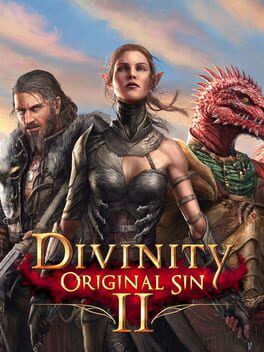
Divinity: Original Sin 2
Optimization · Pure Optimization
A deeply optimizable tactical RPG where armor stripping and initiative manipulation produce near-deterministic victories.
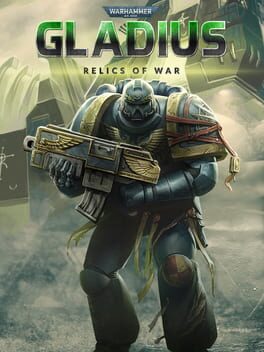
Warhammer 40,000: Gladius - Relics of War
Optimization · Pure Optimization
Racing to secure relics and optimize unit upgrade chains in a hostile hex-grid wargame.
Divinity: Original Sin 2 leans Optimization (Pure Optimization); Warhammer 40,000: Gladius - Relics of War leans Optimization (Pure Optimization).
Divinity: Original Sin 2Warhammer 40,000: Gladius - Relics of War
Axis by axis
Execution2 vs 2
Same score on execution - which means the number cannot separate them. The difference is in what each one asks of you.
Divinity: Original Sin 2
Turn-based system demands zero reaction speed or motor precision
Warhammer 40,000: Gladius - Relics of War
Hex turn-based; no physical precision ceiling
Reads2 vs 2
Same score on reads - which means the number cannot separate them. The difference is in what each one asks of you.
Divinity: Original Sin 2
Multiplayer PvP arena adds light opponent-reading; solo is scripted
Warhammer 40,000: Gladius - Relics of War
AI factions follow fixed expansion doctrines without adaptive modelling
Variance5 vs 5
Same score on variance - which means the number cannot separate them. The difference is in what each one asks of you.
Divinity: Original Sin 2
Source point limits and hidden enemy armor values create unknowns
Warhammer 40,000: Gladius - Relics of War
Random relic placement and event spawns add meaningful hidden unknowns
Optimization10 vs 9
Divinity: Original Sin 2 leans a little harder on optimization, though the gap is small.
Divinity: Original Sin 2
Lone Wolf builds and damage-type stacking define solved optimal strategies
Warhammer 40,000: Gladius - Relics of War
Unit upgrade routing and resource building sequencing are deeply solvable
A matching score does not mean a matching test. Two games can both sit at 10 on execution and demand completely different things of you - which is why the reasoning above matters more than the number beside it.
Related comparisons
Baldur's Gate 3 vs Divinity: Original Sin 2Portal 2 vs Warhammer 40,000: Gladius - Relics of WarDivinity: Original Sin 2 vs Portal 2The Elder Scrolls V: Skyrim vs Warhammer 40,000: Gladius - Relics of WarDivinity: Original Sin 2 vs The Elder Scrolls V: SkyrimPortal vs Warhammer 40,000: Gladius - Relics of War