Building comparison
head to head
Five Nights at Freddy's: Into the PitvsWe Happy Few
Neither is meaningfully harder - they pose close to the same test. The widest gap is variance, and it is a single point.
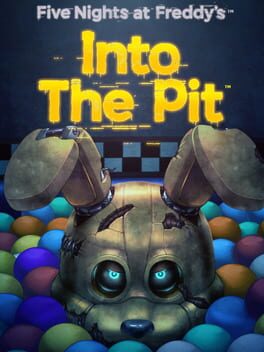
Five Nights at Freddy's: Into the Pit
Variance · Systems & Chaos
Learning a stalker's rules and safe routes across time-hopping nights.
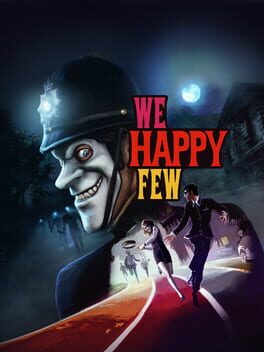
We Happy Few
Optimization · Systems & Chaos
A dystopian survival adventure about blending into a drugged English town gone wrong.
Five Nights at Freddy's: Into the Pit leans Variance (Systems & Chaos); We Happy Few leans Optimization (Systems & Chaos).
Five Nights at Freddy's: Into the PitWe Happy Few
Axis by axis
Execution3 vs 3
Same score on execution - which means the number cannot separate them. The difference is in what each one asks of you.
Five Nights at Freddy's: Into the Pit
Hiding and fleeing need timing but stay forgiving
We Happy Few
Clunky melee and stealth with low ceiling
Reads0 vs 0
Same score on reads - which means the number cannot separate them. The difference is in what each one asks of you.
Five Nights at Freddy's: Into the Pit
The animatronic stalks via game rules, not a mind
We Happy Few
Wellies follow scripted suspicion rules
Variance5 vs 4
Five Nights at Freddy's: Into the Pit leans a little harder on variance, though the gap is small.
Five Nights at Freddy's: Into the Pit
Pursuer behaviour and clue locations are hidden until learned
We Happy Few
Procedural districts and loot vary per run
Optimization5 vs 5
Same score on optimization - which means the number cannot separate them. The difference is in what each one asks of you.
Five Nights at Freddy's: Into the Pit
Mapping safe routes and puzzle steps converges quickly
We Happy Few
Conformity systems, crafting, and routes are solvable
A matching score does not mean a matching test. Two games can both sit at 10 on execution and demand completely different things of you - which is why the reasoning above matters more than the number beside it.