Building comparison
head to head
FlatOut 2vsThe Need for Speed
Neither is meaningfully harder - they pose close to the same test. The widest gap is variance, and it is a single point.
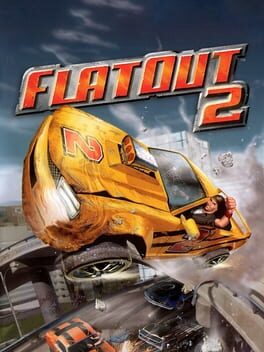
FlatOut 2
Execution · Pure Mechanics
The bigger, faster sequel doubling down on chaotic crash physics and stunt minigames.

The Need for Speed
Execution · Pure Mechanics
Holding clean lines at speed through traffic on memorisable point-to-point roads.
FlatOut 2 leans Execution (Pure Mechanics); The Need for Speed leans Execution (Pure Mechanics).
FlatOut 2The Need for Speed
Axis by axis
Execution7 vs 7
Same score on execution - which means the number cannot separate them. The difference is in what each one asks of you.
FlatOut 2
High-speed control amid wrecks and ragdolls
The Need for Speed
Holding racing lines at speed through traffic is the test
Reads1 vs 1
Same score on reads - which means the number cannot separate them. The difference is in what each one asks of you.
FlatOut 2
No adaptive opposition worth modeling
The Need for Speed
AI rivals and police follow fixed behaviour
Variance3 vs 2
FlatOut 2 leans a little harder on variance, though the gap is small.
FlatOut 2
Crash physics and track debris vary every race
The Need for Speed
Traffic patterns add mild run-to-run noise
Optimization4 vs 3
FlatOut 2 leans a little harder on optimization, though the gap is small.
FlatOut 2
Track knowledge and car tuning settle into routine
The Need for Speed
Track knowledge and car choice settle quickly
A matching score does not mean a matching test. Two games can both sit at 10 on execution and demand completely different things of you - which is why the reasoning above matters more than the number beside it.