Building comparison
head to head
Hello NeighborvsStreets of Rogue
Neither is meaningfully harder - they pose close to the same test. The widest gap is reads, and it is a single point.
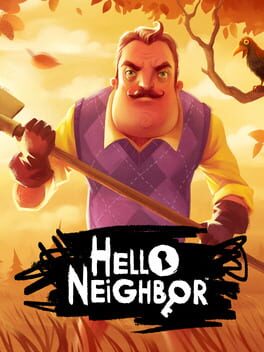
Hello Neighbor
Optimization · Systems & Chaos
Stealth puzzle horror about breaking into a suburban neighbor's secret-filled house.

Streets of Rogue
Variance · Systems & Chaos
Anarchic immersive-sim roguelike where every NPC has a job and you can break it.
Hello Neighbor leans Optimization (Systems & Chaos); Streets of Rogue leans Variance (Systems & Chaos).
Hello NeighborStreets of Rogue
Axis by axis
Execution3 vs 3
Same score on execution - which means the number cannot separate them. The difference is in what each one asks of you.
Hello Neighbor
Light sneaking and parkour
Streets of Rogue
Inputs forgiving; emergent systems matter more than aim.
Reads2 vs 1
Hello Neighbor leans a little harder on reads, though the gap is small.
Hello Neighbor
Marketed adaptive AI is mostly mappable in practice
Streets of Rogue
NPCs follow scripted routines, not adaptive minds.
Variance5 vs 6
Streets of Rogue leans a little harder on variance, though the gap is small.
Hello Neighbor
Neighbor patrols and traps feel erratic
Streets of Rogue
Procedural city and class rolls dominate runs.
Optimization6 vs 6
Same score on optimization - which means the number cannot separate them. The difference is in what each one asks of you.
Hello Neighbor
Puzzle solutions and route knowledge solve each act
Streets of Rogue
Class synergies and chaos routing reward planning.
A matching score does not mean a matching test. Two games can both sit at 10 on execution and demand completely different things of you - which is why the reasoning above matters more than the number beside it.