Building comparison
head to head
King's Bounty IIvsShadowrun Returns
Neither is meaningfully harder - they pose close to the same test. The widest gap is variance, and it is a single point.
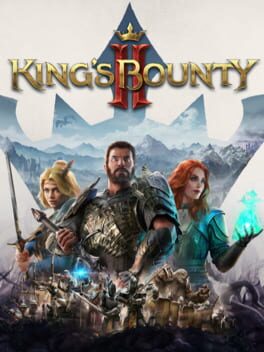
King's Bounty II
Optimization · Systems & Chaos
Composing morale-aware armies and spell loadouts to solve scripted hex-grid encounters.

Shadowrun Returns
Optimization · Pure Optimization
A cyberpunk tactics game where karma allocation and archetype synergies define run efficiency.
King's Bounty II leans Optimization (Systems & Chaos); Shadowrun Returns leans Optimization (Pure Optimization).
King's Bounty IIShadowrun Returns
Axis by axis
Execution2 vs 2
Same score on execution - which means the number cannot separate them. The difference is in what each one asks of you.
King's Bounty II
Turn-based hex grid; no timing inputs
Shadowrun Returns
Turn-based tactical combat; cover positioning deliberate not reactive
Reads1 vs 1
Same score on reads - which means the number cannot separate them. The difference is in what each one asks of you.
King's Bounty II
Enemy AI is scripted; unit targeting is fixed-priority
Shadowrun Returns
Enemy IC and guards run scripted patrol and aggro routines
Variance5 vs 4
King's Bounty II leans a little harder on variance, though the gap is small.
King's Bounty II
Spell proc rates and random loot create variance across encounters
Shadowrun Returns
Hidden enemy positioning and matrix node layouts provide first-run unknowns
Optimization7 vs 7
Same score on optimization - which means the number cannot separate them. The difference is in what each one asks of you.
King's Bounty II
Army composition, leadership allocation, and morale management are planned
Shadowrun Returns
Karma allocation and archetype synergies have known dominant configurations
A matching score does not mean a matching test. Two games can both sit at 10 on execution and demand completely different things of you - which is why the reasoning above matters more than the number beside it.