Building comparison
head to head
Phoenix PointvsS.T.A.L.K.E.R.: Shadow of Chernobyl
Phoenix Point asks more than S.T.A.L.K.E.R.: Shadow of Chernobyl, and the gap is variance.

Phoenix Point
Variance · Systems & Chaos
Managing a manual-aim shooting layer on top of XCOM-style strategic campaign optimization.
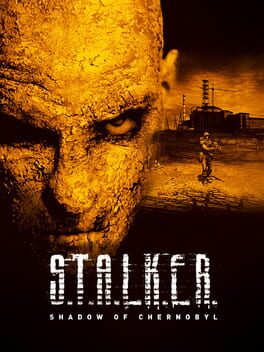
S.T.A.L.K.E.R.: Shadow of Chernobyl
Optimization · Practiced Mastery
An atmospheric open-zone survival shooter set in the Chernobyl exclusion zone.
Phoenix Point leans Variance (Systems & Chaos); S.T.A.L.K.E.R.: Shadow of Chernobyl leans Optimization (Practiced Mastery).
Phoenix PointS.T.A.L.K.E.R.: Shadow of Chernobyl
Axis by axis
Execution4 vs 5
S.T.A.L.K.E.R.: Shadow of Chernobyl leans a little harder on execution, though the gap is small.
Phoenix Point
Manual aiming system introduces real accuracy input on every shot
S.T.A.L.K.E.R.: Shadow of Chernobyl
Ballistic gunplay punishes sloppy aim
Reads1 vs 1
Same score on reads - which means the number cannot separate them. The difference is in what each one asks of you.
Phoenix Point
Alien factions evolve threat pools but not adaptively against you personally
S.T.A.L.K.E.R.: Shadow of Chernobyl
A-Life feels alive but doesn't model you
Variance7 vs 5
Phoenix Point leans clearly harder on variance.
Phoenix Point
Body-part hit location and mutation pools drive heavy RNG swings
S.T.A.L.K.E.R.: Shadow of Chernobyl
Anomalies, mutant spawns, and artifact RNG hide information
Optimization7 vs 6
Phoenix Point leans a little harder on optimization, though the gap is small.
Phoenix Point
Research priority, vehicle builds, and faction balance are deeply optimizable
S.T.A.L.K.E.R.: Shadow of Chernobyl
Artifact economy, routes, and stash knowledge converge
A matching score does not mean a matching test. Two games can both sit at 10 on execution and demand completely different things of you - which is why the reasoning above matters more than the number beside it.