Building comparison
head to head
Prey (2017)vsStyx: Shards of Darkness
Neither is harder. They score identically on all four axes, so the difference between them is in kind, not degree.

Prey (2017)
Optimization · Pure Optimization
Immersive sim aboard Talos I where build and route choices dominate.
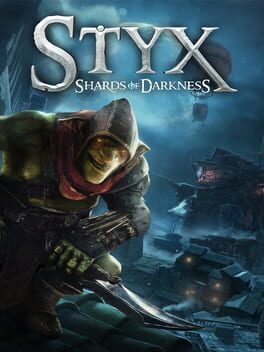
Styx: Shards of Darkness
Optimization · Pure Optimization
Managing clone resources and mapping patrol circuits to chain ghost kills through vertical levels.
Prey (2017) leans Optimization (Pure Optimization); Styx: Shards of Darkness leans Optimization (Pure Optimization).
Prey (2017)Styx: Shards of Darkness
Axis by axis
Execution4 vs 4
Same score on execution - which means the number cannot separate them. The difference is in what each one asks of you.
Prey (2017)
Wrench and Gloo timing modest.
Styx: Shards of Darkness
Climbing and kill-window timing are modest but present demands
Reads1 vs 1
Same score on reads - which means the number cannot separate them. The difference is in what each one asks of you.
Prey (2017)
Typhon AI scripted, not adaptive.
Styx: Shards of Darkness
Dark Elves and Dwarves use scripted patrol trees throughout
Variance2 vs 2
Same score on variance - which means the number cannot separate them. The difference is in what each one asks of you.
Prey (2017)
Mimics and resource spawns randomized.
Styx: Shards of Darkness
Level geometry is consistent; knowledge transfers cleanly between attempts
Optimization8 vs 8
Same score on optimization - which means the number cannot separate them. The difference is in what each one asks of you.
Prey (2017)
Neuromods, builds, station routing deeply solvable.
Styx: Shards of Darkness
Clone economy, rope optimisation, and route planning are the lead skill
A matching score does not mean a matching test. Two games can both sit at 10 on execution and demand completely different things of you - which is why the reasoning above matters more than the number beside it.