Building comparison
head to head
The Long DarkvsWarhammer 40,000: Chaos Gate - Daemonhunters
Neither is meaningfully harder - they pose close to the same test. The widest gap is reads, and it is a single point.
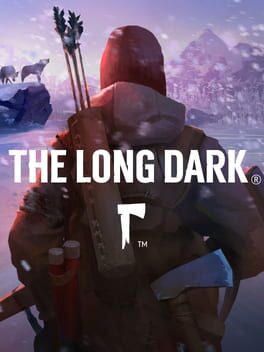
The Long Dark
Optimization · Systems & Chaos
Planning movement and resource routes across randomised wilderness weather against condition decay.
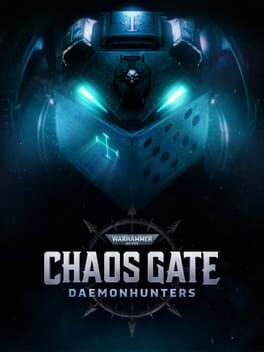
Warhammer 40,000: Chaos Gate - Daemonhunters
Optimization · Systems & Chaos
Optimizing Grey Knight loadouts and campaign decisions against escalating Bloom infection timers.
The Long Dark leans Optimization (Systems & Chaos); Warhammer 40,000: Chaos Gate - Daemonhunters leans Optimization (Systems & Chaos).
The Long DarkWarhammer 40,000: Chaos Gate - Daemonhunters
Axis by axis
Execution2 vs 2
Same score on execution - which means the number cannot separate them. The difference is in what each one asks of you.
The Long Dark
Rifle aim and wolf struggles need minimal twitch
Warhammer 40,000: Chaos Gate - Daemonhunters
Turn-based; Willpower and cover angle require spatial not twitch skill
Reads0 vs 1
Warhammer 40,000: Chaos Gate - Daemonhunters leans a little harder on reads, though the gap is small.
The Long Dark
Wildlife behaves via scripted threat logic, not player modelling
Warhammer 40,000: Chaos Gate - Daemonhunters
Chaos AI follows scripted threat escalation patterns
Variance6 vs 6
Same score on variance - which means the number cannot separate them. The difference is in what each one asks of you.
The Long Dark
Blizzard timing, condition decay, and loot spawns are heavily random
Warhammer 40,000: Chaos Gate - Daemonhunters
Nemesis Force activations, random Bloom spread, and loot drops create variance
Optimization7 vs 8
Warhammer 40,000: Chaos Gate - Daemonhunters leans a little harder on optimization, though the gap is small.
The Long Dark
Route planning, calorie budgeting, and item condition management are solvable
Warhammer 40,000: Chaos Gate - Daemonhunters
Grey Knight wargear, psychic powers, and campaign priority are tightly optimizable
A matching score does not mean a matching test. Two games can both sit at 10 on execution and demand completely different things of you - which is why the reasoning above matters more than the number beside it.