Loading Gamorium
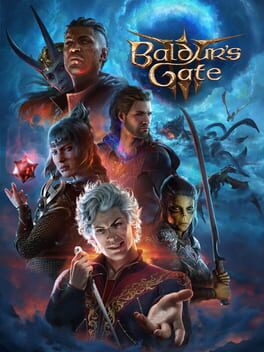
games like
Baldur's Gate 3
Baldur's Gate 3 leans Optimization (Systems & Chaos). Below: catalogued games with the closest cheat-test profile, and exactly where each one differs.
Matched first against: Role-playing (RPG), Strategy, Turn-based strategy (TBS) - then ranked by cheat-test profile.
12 games like Baldur's Gate 3
A cross-genre tag below means that pick didn't share a genre - it filled a slot on cheat-test profile alone.
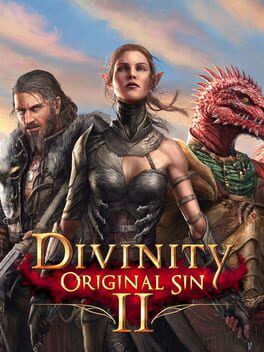
Divinity: Original Sin 2Pure Optimization · tactical party RPG
Both lean on reads about the same (2 vs 2). Biggest difference: variance (7 vs 5) - Source point limits and hidden enemy armor values create unknowns
full comparison →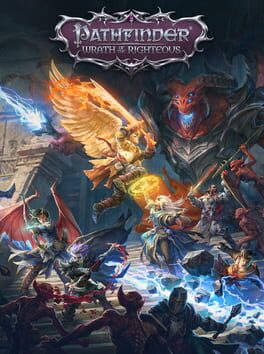
Pathfinder: Wrath of the RighteousPure Optimization · isometric party RPG
Both lean on execution about the same (1 vs 2). Biggest difference: variance (7 vs 4) - Mythic ability unlock order and hidden enemy resistances add unknown layers
full comparison →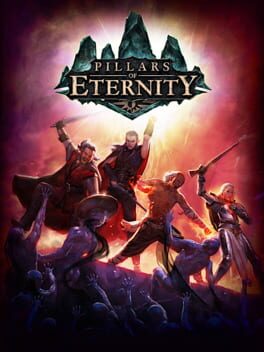
Pillars of EternityPure Optimization · isometric party RPG
Both lean on optimization about the same (9 vs 9). Biggest difference: variance (7 vs 4) - Hidden enemy immunities and ability distributions require investigation
full comparison →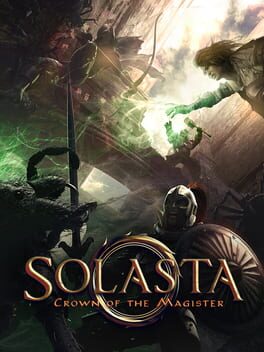
Solasta: Crown of the MagisterPure Optimization · isometric party RPG
Both lean on optimization about the same (9 vs 9). Biggest difference: variance (7 vs 4) - Roll randomness and hidden enemy positions add unknowns to each encounter
full comparison →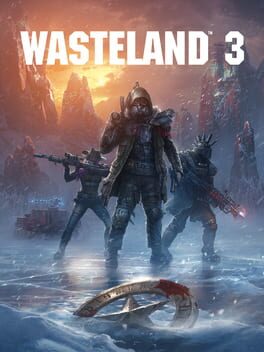
Wasteland 3Pure Optimization · tactical party RPG
Both lean on execution about the same (1 vs 2). Biggest difference: variance (7 vs 4) - Encounter layouts and loot locations hold hidden information on first run
full comparison →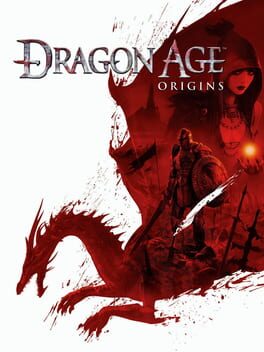
Dragon Age: OriginsPure Optimization · tactical RPG
Both lean on execution about the same (1 vs 2). Biggest difference: variance (7 vs 3) - Hidden rolls and loot tables
full comparison →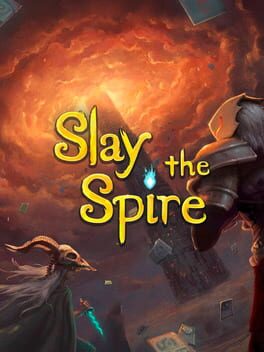
Slay the SpireSystems & Chaos · deckbuilding roguelike
Both lean on variance about the same (7 vs 7). Biggest difference: execution (1 vs 0) - Turn-based, zero input precision required.
full comparison →
RimWorldSystems & Chaos · colony sim
Both lean on execution about the same (1 vs 1). Biggest difference: reads (2 vs 1) - Storyteller AI is randomised, not adaptive to you.
full comparison →
Teamfight TacticsSystems & Chaos · autobattler
Both lean on execution about the same (1 vs 1). Biggest difference: reads (2 vs 3) - Scout opponents but no live adaptation
full comparison →
Diablo IIPure Optimization · action RPG
Both lean on optimization about the same (9 vs 9). Biggest difference: reads (2 vs 0) - Monster AI is fully mappable
full comparison →
Civilization VPure Optimization · turn-based 4X
Both lean on reads about the same (2 vs 2). Biggest difference: variance (7 vs 5) - Random starts, barbarian spawns, and goody huts create hidden unknowns
full comparison →
Fallout 2Pure Optimization · isometric RPG
Both lean on optimization about the same (9 vs 9). Biggest difference: variance (7 vs 5) - Hidden special encounters and timed events create significant unknown-information space
full comparison →Game details
- Released
- 2023
- Developer
- Larian Studios
- Franchise
- Dungeons & Dragons
- Platforms
- Stadia, Series X|S, Linux, PC, PS5, Mac
- Modes
- Single player, Multiplayer, Co-operative, Split screen
- IGDB critics
- 95/100
- IGDB users
- 96/100
Role-playing (RPG)StrategyTurn-based strategy (TBS)ActionFantasy