Loading Gamorium
games like
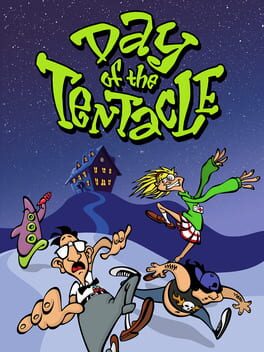
Day of the Tentacle
Day of the Tentacle leans Optimization (Pure Optimization). Below: catalogued games with the closest cheat-test profile, and exactly where each one differs.
Matched first against: Point-and-click - then ranked by cheat-test profile.
12 games like Day of the Tentacle
A cross-genre tag below means that pick didn't share a genre - it filled a slot on cheat-test profile alone.
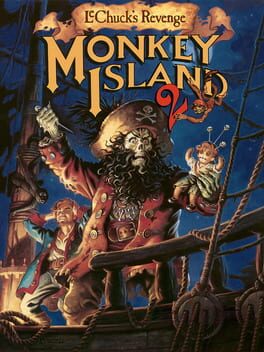
Monkey Island 2: LeChuck's RevengePure Optimization · point-and-click adventure
Both lean on execution about the same (1 vs 1). Biggest difference: variance (1 vs 2) - Some item locations are initially hidden but deterministic
full comparison →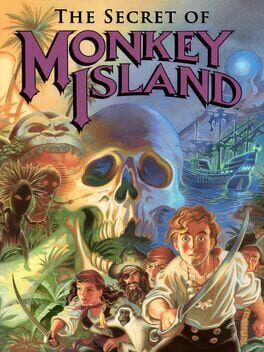
The Secret of Monkey IslandPure Optimization · point-and-click adventure
Both lean on execution about the same (1 vs 1). Biggest difference: variance (1 vs 2) - Some hidden items require exploration but solutions are invariant
full comparison →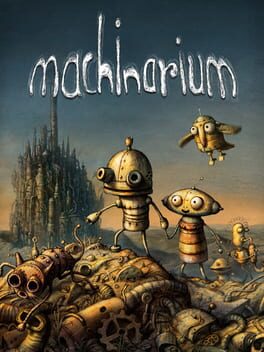
MachinariumPure Optimization · puzzle adventure
Both lean on reads about the same (0 vs 0). Biggest difference: execution (1 vs 2) - A handful of mini-games require basic timing and clicking precision
full comparison →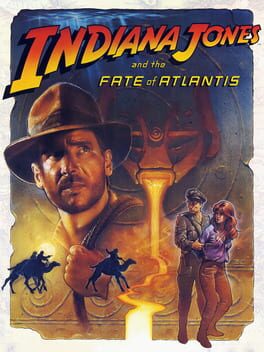
Indiana Jones and the Fate of AtlantisPure Optimization · point-and-click adventure
Both lean on execution about the same (1 vs 1). Biggest difference: variance (1 vs 2) - Solutions hidden until reasoned out
full comparison →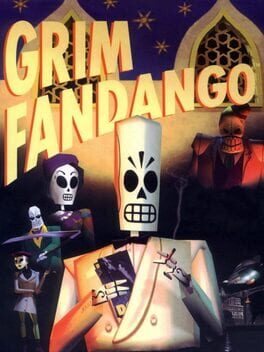
Grim FandangoPure Optimization · point-and-click adventure
Both lean on execution about the same (1 vs 1). Biggest difference: variance (1 vs 2) - A few timed sequences add minor uncertainty but nothing critical
full comparison →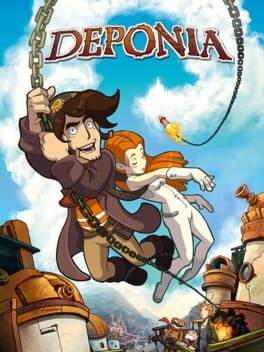
DeponiaPure Optimization · point-and-click adventure
Both lean on execution about the same (1 vs 1). Biggest difference: optimization (9 vs 8) - Convoluted Rube Goldberg puzzle chains demand careful causal mapping
full comparison →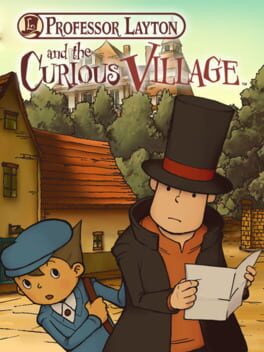
Professor Layton and the Curious VillagePure Optimization · puzzle adventure
Both lean on execution about the same (1 vs 1). Biggest difference: variance (1 vs 2) - Puzzle answers are hidden until reasoned out, then fixed
full comparison →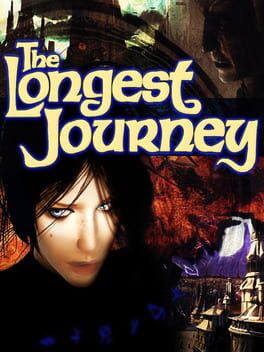
The Longest JourneyPure Optimization · point-and-click adventure
Both lean on execution about the same (1 vs 1). Biggest difference: optimization (9 vs 8) - Inventory puzzles require systematic lateral thinking across two realms
full comparison →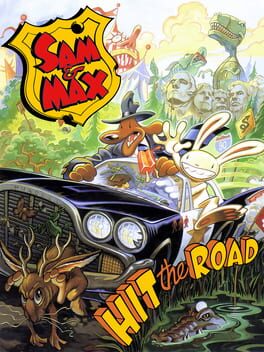
Sam & Max: Hit the RoadPure Optimization · point-and-click adventure
Both lean on execution about the same (1 vs 1). Biggest difference: variance (1 vs 2) - Carnival mini-games add slight randomness but are trivial
full comparison →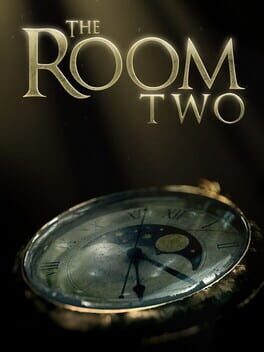
The Room TwoPure Optimization · puzzle box game
Both lean on execution about the same (1 vs 1). Biggest difference: variance (1 vs 2) - Unknown contraptions until explored, then fixed
full comparison →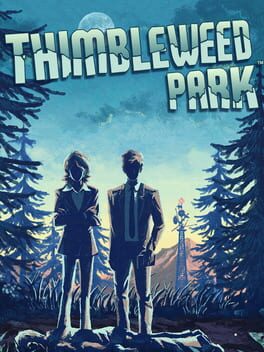
Thimbleweed ParkPure Optimization · point-and-click adventure
Both lean on execution about the same (1 vs 1). Biggest difference: optimization (9 vs 8) - Multi-character inventory puzzles demand systematic causal reasoning
full comparison →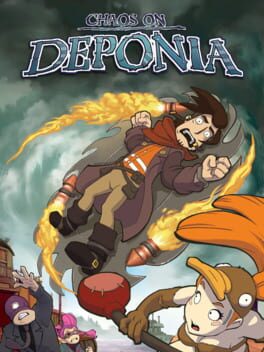
Chaos on DeponiaPure Optimization · point-and-click adventure
Both lean on execution about the same (1 vs 1). Biggest difference: optimization (9 vs 8) - Increasingly complex puzzle architecture rewards systematic inventory management
full comparison →Game details
- Released
- 1993
- Developer
- LucasArts
- Platforms
- Mac, DOS, Amiga
- Modes
- Single player
- IGDB users
- 89/100
Point-and-clickAdventureFantasyScience fictionHistoricalComedy