Loading Gamorium
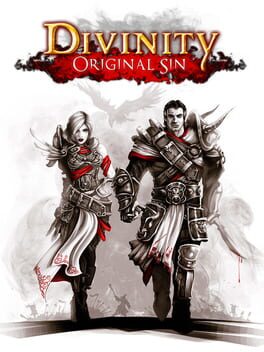
games like
Divinity: Original Sin
Divinity: Original Sin leans Optimization (Pure Optimization). Below: catalogued games with the closest cheat-test profile, and exactly where each one differs.
Matched first against: Role-playing (RPG), Turn-based strategy (TBS) - then ranked by cheat-test profile.
12 games like Divinity: Original Sin
A cross-genre tag below means that pick didn't share a genre - it filled a slot on cheat-test profile alone.
Baldur's Gate II: Shadows of AmnPure Optimization · isometric party RPG
Both lean on execution about the same (2 vs 2). Otherwise the profiles match closely.
full comparison →
Pathfinder: KingmakerPure Optimization · isometric party RPG
Both lean on execution about the same (2 vs 2). Otherwise the profiles match closely.
full comparison →
Knights of the Old RepublicPure Optimization · story-driven RPG
Both lean on execution about the same (2 vs 2). Biggest difference: variance (5 vs 4) - Loot rolls and pazaak draws provide hidden information layers
full comparison →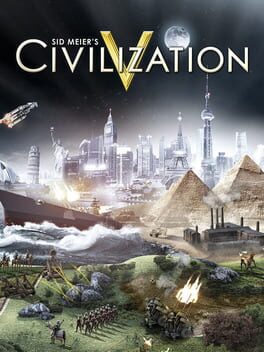
Civilization VPure Optimization · turn-based 4X
Both lean on execution about the same (2 vs 2). Biggest difference: reads (1 vs 2) - AI follows scripted personalities, not genuine player modelling
full comparison →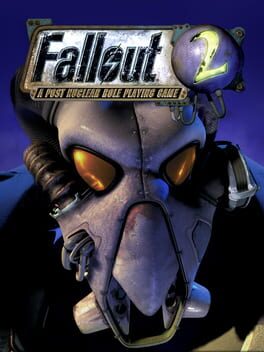
Fallout 2Pure Optimization · isometric RPG
Both lean on execution about the same (2 vs 2). Biggest difference: optimization (10 vs 9) - SPECIAL and skill tagging with Gifted trait produce well-known dominant build strategies
full comparison →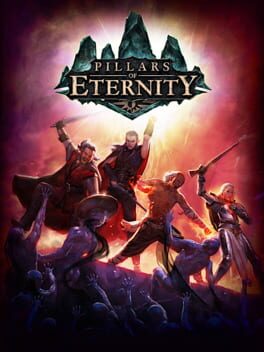
Pillars of EternityPure Optimization · isometric party RPG
Both lean on execution about the same (2 vs 2). Biggest difference: variance (5 vs 4) - Hidden enemy immunities and ability distributions require investigation
full comparison →
Honkai: Star RailPure Optimization · turn-based RPG
Both lean on execution about the same (2 vs 2). Biggest difference: optimization (10 vs 9) - Speed tuning, team cycle theory, and buff windows are deeply solvable
full comparison →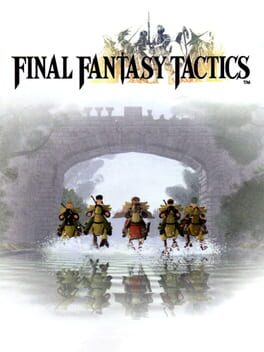
Final Fantasy TacticsPure Optimization · tactical SRPG
Both lean on execution about the same (2 vs 2). Biggest difference: variance (5 vs 4) - Random drops and some proc rates exist but rarely swing outcomes
full comparison →
Neverwinter Nights 2Pure Optimization · isometric party RPG
Both lean on execution about the same (2 vs 2). Biggest difference: variance (5 vs 4) - Hidden enemy stat blocks and variable dungeon RNG create unknowns
full comparison →
Arcanum: Of Steamworks and Magick ObscuraPure Optimization · isometric RPG
Both lean on execution about the same (2 vs 2). Biggest difference: optimization (10 vs 9) - Magic versus technology stat split and schematic discovery are deeply optimizable
full comparison →
Icewind Dale IIPure Optimization · isometric party RPG
Both lean on execution about the same (2 vs 2). Biggest difference: variance (5 vs 4) - 3E feat combinations and hidden enemy resistances create unknown-information layers
full comparison →
Invisible, Inc.Pure Optimization · turn-based stealth
Both lean on execution about the same (2 vs 2). Biggest difference: optimization (10 vs 9) - Power allocation, agent pairing, and escape routing are the core puzzle
full comparison →Game details
- Released
- 2014
- Developer
- Larian Studios
- Franchise
- Divinity
- Platforms
- PC, Mac
- Modes
- Single player, Multiplayer, Co-operative
- IGDB critics
- 87/100
- IGDB users
- 85/100
PuzzleRole-playing (RPG)Turn-based strategy (TBS)AdventureIndieFantasyHistoricalOpen world