Loading Gamorium
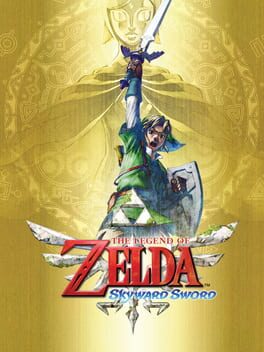
games like
The Legend of Zelda: Skyward Sword
The Legend of Zelda: Skyward Sword leans Optimization (Practiced Mastery). Below: catalogued games with the closest cheat-test profile, and exactly where each one differs.
Matched first against: Puzzle, Adventure - then ranked by cheat-test profile.
12 games like The Legend of Zelda: Skyward Sword
A cross-genre tag below means that pick didn't share a genre - it filled a slot on cheat-test profile alone.
Oddworld: Abe's OddyseePracticed Mastery · cinematic puzzle platformer
Both lean on execution about the same (5 vs 5). Otherwise the profiles match closely.
full comparison →
Donkey Kong 64Practiced Mastery · 3D collectathon platformer
Both lean on execution about the same (5 vs 5). Otherwise the profiles match closely.
full comparison →
Tomb Raider: The Angel of DarknessPracticed Mastery · action-adventure platformer
Both lean on execution about the same (5 vs 5). Otherwise the profiles match closely.
full comparison →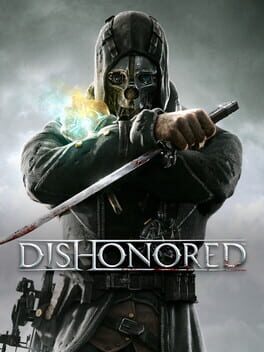
DishonoredPracticed Mastery · immersive sim
Both lean on execution about the same (5 vs 5). Biggest difference: reads (0 vs 1) - Guard AI scripted, non-adaptive.
full comparison →
UndertalePure Optimization · narrative RPG
Both lean on variance about the same (1 vs 1). Biggest difference: execution (5 vs 4) - Bullet-hell dodging in scripted patterns
full comparison →
Cyberpunk 2077Practiced Mastery · open-world action RPG
Both lean on execution about the same (5 vs 5). Biggest difference: reads (0 vs 1) - Enemy AI follows scripted behaviours; not adaptive to you.
full comparison →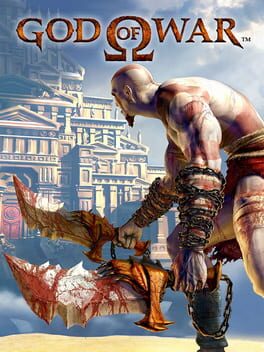
God of War (2005)Practiced Mastery · character action
Both lean on reads about the same (0 vs 0). Biggest difference: execution (5 vs 6) - Blade combos, parries, and QTEs reward clean inputs
full comparison →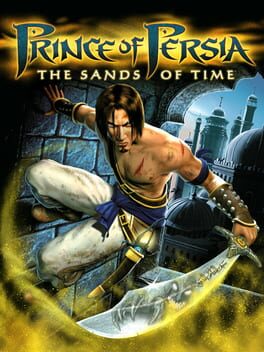
Prince of Persia: The Sands of TimePracticed Mastery · acrobatic platformer
Both lean on execution about the same (5 vs 5). Biggest difference: optimization (7 vs 6) - Route reading and dagger resource management solve each room
full comparison →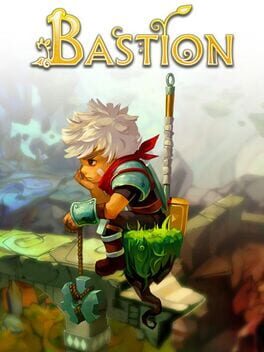
BastionPracticed Mastery · action RPG
Both lean on execution about the same (5 vs 5). Biggest difference: variance (1 vs 2) - Minor loot variance.
full comparison →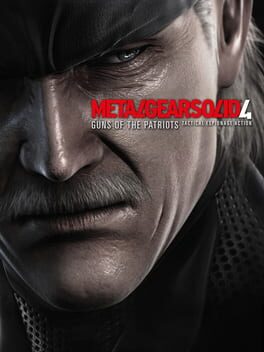
Metal Gear Solid 4: Guns of the PatriotsPracticed Mastery · stealth action
Both lean on execution about the same (5 vs 5). Biggest difference: variance (1 vs 2) - mid-battle chaos mostly cosmetic
full comparison →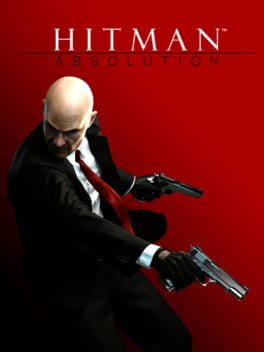
Hitman: AbsolutionPure Optimization · stealth action
Both lean on reads about the same (0 vs 0). Biggest difference: execution (5 vs 4) - Cover stealth, point-shooting, and tighter action sequences
full comparison →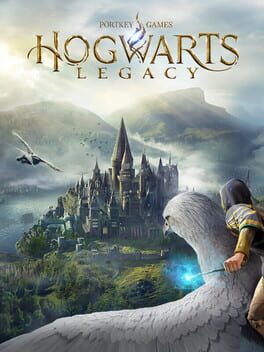
Hogwarts LegacyPracticed Mastery · open-world action RPG
Both lean on reads about the same (0 vs 0). Biggest difference: execution (5 vs 4) - Spell combos and dodges at forgiving difficulty
full comparison →Game details
- Released
- 2011
- Developer
- Nintendo EAD Software Development Group No.3
- Franchise
- The Legend of Zelda
- Platforms
- Wii, WiiU
- Modes
- Single player
- IGDB critics
- 93/100
- IGDB users
- 82/100
PuzzleAdventureActionFantasyHistoricalOpen world