Building comparison
head to head
Friday the 13th: The GamevsSecret Neighbor
Neither is meaningfully harder - they pose close to the same test. The widest gap is variance, and it is a single point.
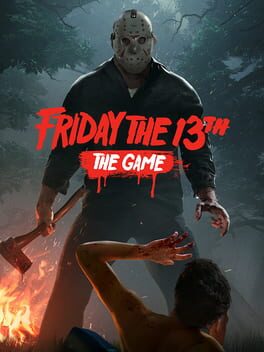
Friday the 13th: The Game
Reads · Bluff & Deduction
An asymmetric multiplayer horror game where counselors and a human Jason try to out-predict each other around random item spawns.
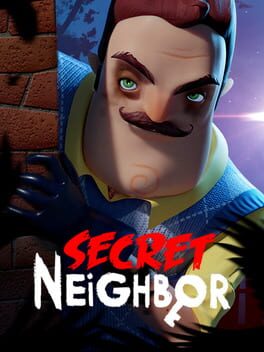
Secret Neighbor
Reads · Bluff & Deduction
Kids loot a house for basement keys while one of them is secretly the Neighbor in disguise.
Friday the 13th: The Game leans Reads (Bluff & Deduction); Secret Neighbor leans Reads (Bluff & Deduction).
Friday the 13th: The GameSecret Neighbor
Axis by axis
Execution4 vs 4
Same score on execution - which means the number cannot separate them. The difference is in what each one asks of you.
Friday the 13th: The Game
Juking, stunning, and minigame inputs matter modestly
Secret Neighbor
Chases, juking, and grabs need real motor skill.
Reads7 vs 7
Same score on reads - which means the number cannot separate them. The difference is in what each one asks of you.
Friday the 13th: The Game
Jason and counselors are humans predicting each other
Secret Neighbor
The disguised Neighbor wins by out-modeling suspicious kids.
Variance5 vs 6
Secret Neighbor leans a little harder on variance, though the gap is small.
Friday the 13th: The Game
Random item spawns and hidden objective parts
Secret Neighbor
Hidden Neighbor identity and random key spawns obscure information.
Optimization4 vs 4
Same score on optimization - which means the number cannot separate them. The difference is in what each one asks of you.
Friday the 13th: The Game
Objective routes and perk loadouts are learnable
Secret Neighbor
House layouts and key routes are mappable with play.
A matching score does not mean a matching test. Two games can both sit at 10 on execution and demand completely different things of you - which is why the reasoning above matters more than the number beside it.