Building comparison
head to head
Pavlov VRvsUnreal Tournament (1999)
Neither is harder. They score identically on all four axes, so the difference between them is in kind, not degree.
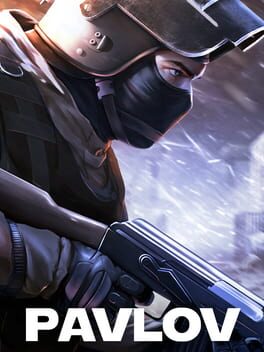
Pavlov VR
Execution · Pure Mechanics
Tactical shooting where your real hands aim, reload, and out-duel adapting humans.

Unreal Tournament (1999)
Execution · Pure Mechanics
High-speed aim and movement dominance against human opponents fighting for weapon and map control.
Pavlov VR leans Execution (Pure Mechanics); Unreal Tournament (1999) leans Execution (Pure Mechanics).
Pavlov VRUnreal Tournament (1999)
Axis by axis
Execution9 vs 9
Same score on execution - which means the number cannot separate them. The difference is in what each one asks of you.
Pavlov VR
Physical aim plus manual reloading in VR is a literal hands test
Unreal Tournament (1999)
Shock combo and flak cannon timing demand peak motor precision
Reads6 vs 6
Same score on reads - which means the number cannot separate them. The difference is in what each one asks of you.
Pavlov VR
Human opponents fake, peek and adapt every round
Unreal Tournament (1999)
Human opponents continuously adapt routes and engagement choices
Variance2 vs 2
Same score on variance - which means the number cannot separate them. The difference is in what each one asks of you.
Pavlov VR
Spawn and gunfight chaos add modest noise
Unreal Tournament (1999)
Map spawns are minor; most information is visible or predictable
Optimization4 vs 4
Same score on optimization - which means the number cannot separate them. The difference is in what each one asks of you.
Pavlov VR
Buy economy and site strategy mirror tactical-shooter planning
Unreal Tournament (1999)
Weapon prioritisation and map control are learnable but secondary
A matching score does not mean a matching test. Two games can both sit at 10 on execution and demand completely different things of you - which is why the reasoning above matters more than the number beside it.