Loading Gamorium
games like
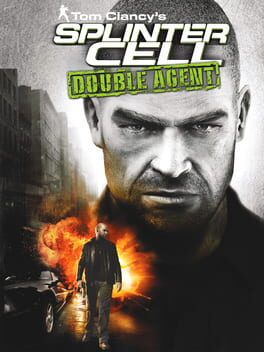
Tom Clancy's Splinter Cell: Double Agent
Tom Clancy's Splinter Cell: Double Agent leans Optimization (Practiced Mastery). Below: catalogued games with the closest cheat-test profile, and exactly where each one differs.
Matched first against: Tactical - then ranked by cheat-test profile.
Like Tom Clancy's Splinter Cell: Double Agent, but easier
Same cheat-test neighborhood, lower Execution demand - the hands aren't as punishing.
12 games like Tom Clancy's Splinter Cell: Double Agent
A cross-genre tag below means that pick didn't share a genre - it filled a slot on cheat-test profile alone.
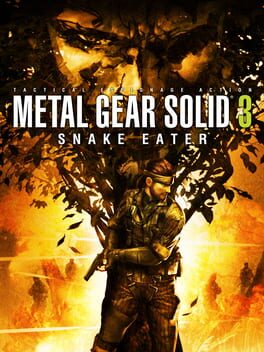
Metal Gear Solid 3: Snake EaterPracticed Mastery · stealth action
Both lean on execution about the same (6 vs 6). Biggest difference: reads (2 vs 1) - The Cobra unit fights with scripted abilities; no real-time player profiling
full comparison →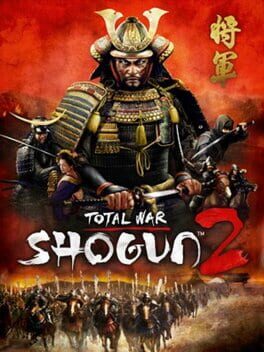
Total War: Shogun 2Practiced Mastery · historical strategy wargame
Both lean on execution about the same (6 vs 6). Biggest difference: reads (2 vs 3) - AI daimyo follow scripted clan doctrines; human opponents require reads
full comparison →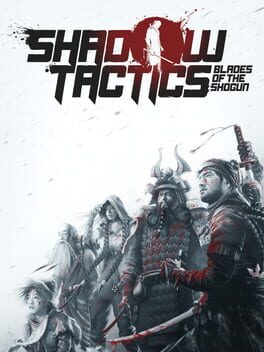
Shadow Tactics: Blades of the ShogunPracticed Mastery · real-time tactics
Both lean on execution about the same (6 vs 6). Biggest difference: reads (2 vs 1) - Guard patrol routes are fixed; no opponent models you
full comparison →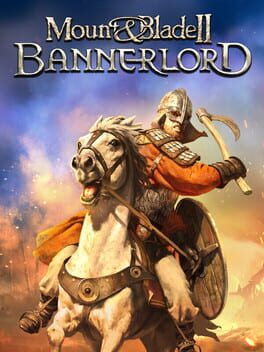
Mount & Blade II: BannerlordPure Optimization · sandbox medieval RPG
Both lean on reads about the same (2 vs 2). Biggest difference: execution (6 vs 5) - Directional melee blocking and mounted combat
full comparison →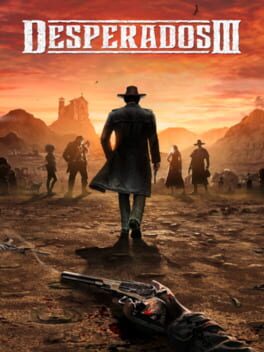
Desperados IIIPracticed Mastery · real-time tactics
Both lean on execution about the same (6 vs 6). Biggest difference: reads (2 vs 1) - Enemy patrols are fully scripted; no adaptive opposition
full comparison →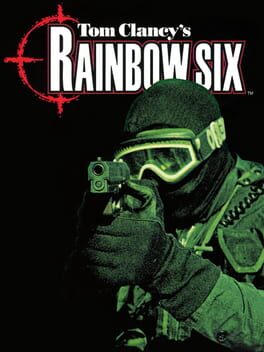
Tom Clancy's Rainbow SixPracticed Mastery · tactical FPS
Both lean on execution about the same (6 vs 6). Biggest difference: reads (2 vs 3) - Multiplayer raids add human counterplay
full comparison →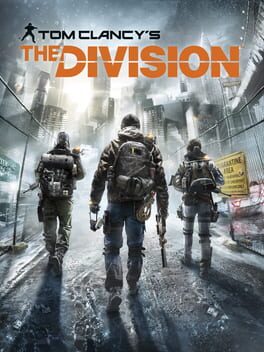
Tom Clancy's The DivisionPure Optimization · looter shooter
Both lean on optimization about the same (8 vs 8). Biggest difference: execution (6 vs 4) - Cover shooting matters but bullet-sponge TTK softens aim skill
full comparison →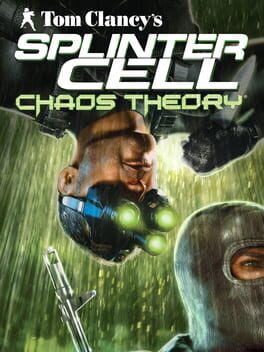
Splinter Cell: Chaos TheoryPure Optimization · stealth action
Both lean on variance about the same (3 vs 3). Biggest difference: execution (6 vs 5) - Rappel aim, hand-over-hand movement, and knockouts require care
full comparison →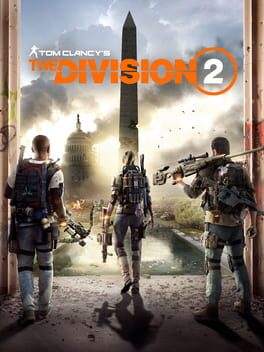
The Division 2Practiced Mastery · looter shooter
Both lean on execution about the same (6 vs 6). Biggest difference: reads (2 vs 4) - Dark Zone and conflict PvP feature real adaptive opponents
full comparison →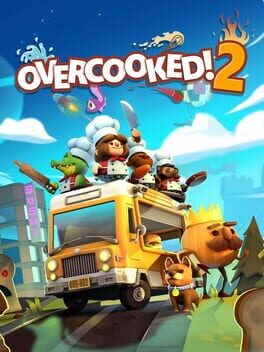
Overcooked 2Practiced Mastery · co-op management game
Both lean on variance about the same (3 vs 3). Biggest difference: optimization (8 vs 6) - Optimal kitchen routing and task assignment is learnable per level
full comparison →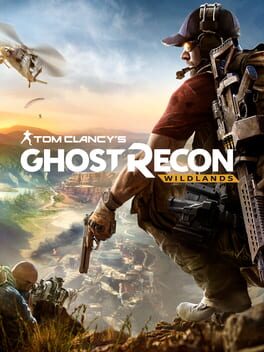
Tom Clancy's Ghost Recon WildlandsPracticed Mastery · open-world tactical shooter
Both lean on variance about the same (3 vs 3). Biggest difference: optimization (8 vs 6) - Outpost approach planning and skill unlocks carry progression
full comparison →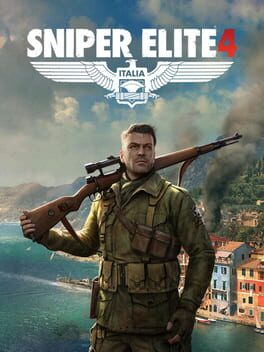
Sniper Elite 4Practiced Mastery · tactical stealth shooter
Both lean on variance about the same (3 vs 3). Biggest difference: optimization (8 vs 6) - Synchronised shot timing and route planning reward methodical preparation
full comparison →Game details
- Released
- 2006
- Developer
- Ubisoft Shanghai
- Franchise
- Tom Clancy’s
- Platforms
- PS3, PC, X360
- Modes
- Single player, Multiplayer, Co-operative, Split screen
- IGDB critics
- 79/100
- IGDB users
- 76/100
ShooterTacticalActionStealth