
games like
AI War: Fleet Command
AI War: Fleet Command leans Optimization (Pure Optimization). Below: catalogued games with the closest cheat-test profile, and exactly where each one differs.
Matched first against: Real Time Strategy (RTS), Simulator, Strategy - then ranked by cheat-test profile.
12 games like AI War: Fleet Command
A cross-genre tag below means that pick didn't share a genre - it filled a slot on cheat-test profile alone.
Both lean on execution about the same (2 vs 2). Biggest difference: optimization (10 vs 9) - idea groups, economy, mana spending
full comparison →
Both lean on execution about the same (2 vs 2). Biggest difference: reads (3 vs 4) - PvP partly, mostly scripted AI
full comparison →
Both lean on execution about the same (2 vs 2). Biggest difference: variance (3 vs 5) - Random starts, barbarian spawns, and goody huts create hidden unknowns
full comparison →
Both lean on execution about the same (2 vs 2). Biggest difference: reads (3 vs 1) - Influence system uses scripted dialogue triggers, no adaptive opponent
full comparison →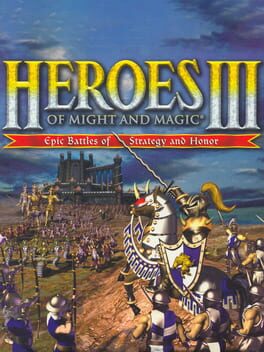
Both lean on reads about the same (3 vs 3). Biggest difference: execution (2 vs 0) - Turn-based; zero dexterity
full comparison →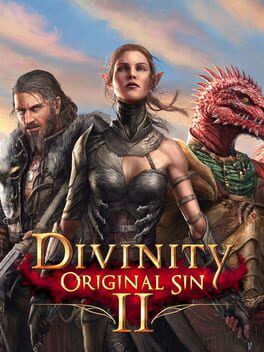
Both lean on execution about the same (2 vs 2). Biggest difference: variance (3 vs 5) - Source point limits and hidden enemy armor values create unknowns
full comparison →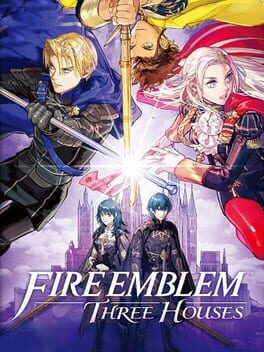
Both lean on variance about the same (3 vs 3). Biggest difference: reads (3 vs 1) - AI follows fixed aggression rules
full comparison →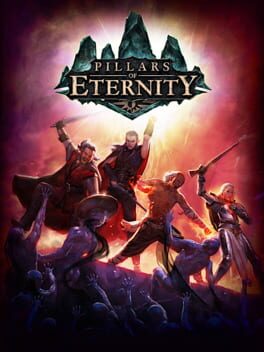
Both lean on execution about the same (2 vs 2). Biggest difference: reads (3 vs 1) - All AI opponents use fixed scripted behaviour trees
full comparison →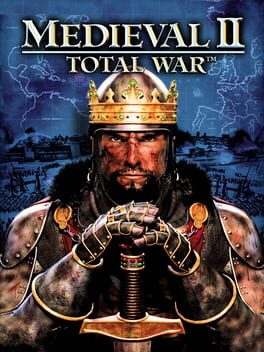
Both lean on execution about the same (2 vs 2). Biggest difference: reads (3 vs 1) - campaign AI is exploitable and mappable
full comparison →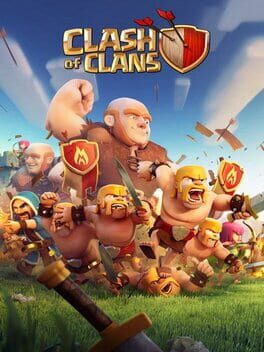
Both lean on reads about the same (3 vs 3). Biggest difference: optimization (10 vs 8) - Army comps, upgrade paths, and attack routing
full comparison →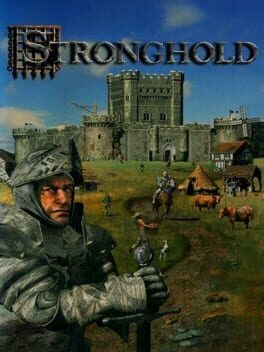
Both lean on execution about the same (2 vs 2). Biggest difference: reads (3 vs 2) - AI opponents are scripted, minor prediction
full comparison →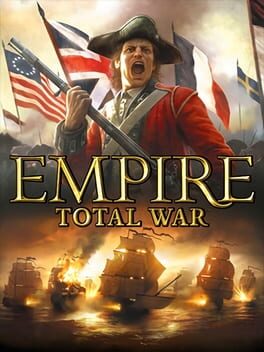
Both lean on execution about the same (2 vs 2). Biggest difference: optimization (10 vs 8) - Campaign economy and line-infantry tactics are mappable
full comparison →Game details
- Released
- 2009
- Developer
- Arcen Games
- Platforms
- Linux, PC, Mac
- Modes
- Single player, Multiplayer, Co-operative
- IGDB critics
- 90/100
- IGDB users
- 50/100