Loading Gamorium

games like
Pokémon: Let's Go, Eevee!
Pokémon: Let's Go, Eevee! leans Optimization (Systems & Chaos). Below: catalogued games with the closest cheat-test profile, and exactly where each one differs.
Matched first against: Role-playing (RPG) - then ranked by cheat-test profile.
12 games like Pokémon: Let's Go, Eevee!
A cross-genre tag below means that pick didn't share a genre - it filled a slot on cheat-test profile alone.
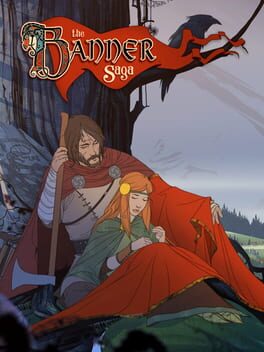
The Banner SagaSystems & Chaos · tactical RPG
Both lean on execution about the same (2 vs 2). Otherwise the profiles match closely.
full comparison →
EarthBoundPure Optimization · turn-based RPG
Both lean on execution about the same (2 vs 2). Biggest difference: reads (1 vs 0) - All enemies scripted with fixed attack patterns
full comparison →
Baldur's GatePure Optimization · classic CRPG
Both lean on execution about the same (2 vs 2). Biggest difference: reads (1 vs 0) - Scripted encounters, no adaptation.
full comparison →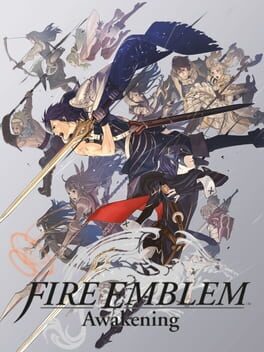
Fire Emblem: AwakeningPure Optimization · tactical SRPG
Both lean on execution about the same (2 vs 2). Biggest difference: optimization (7 vs 8) - Marriage pairings and Second Seal reclass chains are the optimization spine
full comparison →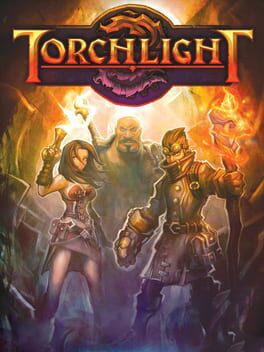
TorchlightPure Optimization · action RPG
Both lean on execution about the same (2 vs 2). Biggest difference: reads (1 vs 0) - Solo dungeon crawl, no adaptive opposition
full comparison →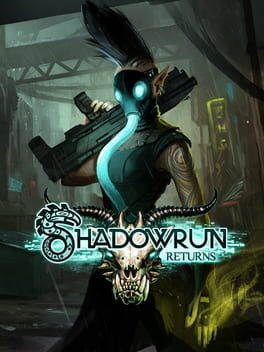
Shadowrun ReturnsPure Optimization · tactical RPG
Both lean on execution about the same (2 vs 2). Biggest difference: variance (5 vs 4) - Hidden enemy positioning and matrix node layouts provide first-run unknowns
full comparison →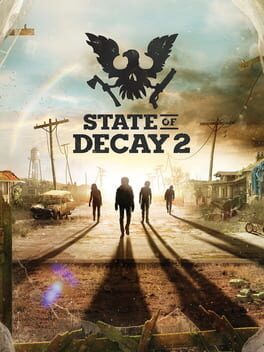
State of Decay 2Systems & Chaos · zombie survival management
Both lean on variance about the same (5 vs 5). Biggest difference: execution (2 vs 3) - Combat is forgiving; stealth and swings need modest timing
full comparison →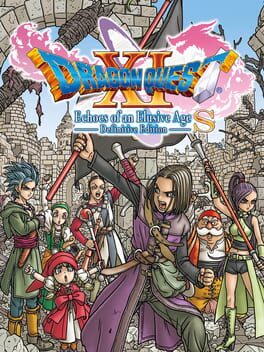
Dragon Quest XI S: Echoes of an Elusive AgePure Optimization · turn-based RPG
Both lean on execution about the same (2 vs 2). Biggest difference: variance (5 vs 4) - Metal Slime encounter rates and rare drops carry meaningful RNG
full comparison →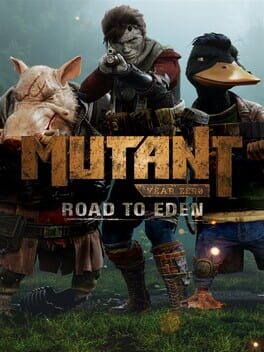
Mutant Year Zero: Road to EdenPure Optimization · stealth tactics
Both lean on reads about the same (1 vs 1). Biggest difference: execution (2 vs 3) - Stealth positioning before combat demands spatial precision
full comparison →
Fire Emblem FatesPure Optimization · tactical SRPG
Both lean on execution about the same (2 vs 2). Biggest difference: optimization (7 vs 8) - Offspring seals, asset/flaw selection, and supports are deeply planned
full comparison →
SacredPure Optimization · action RPG
Both lean on execution about the same (2 vs 2). Biggest difference: reads (1 vs 0) - Open-world enemies are scripted
full comparison →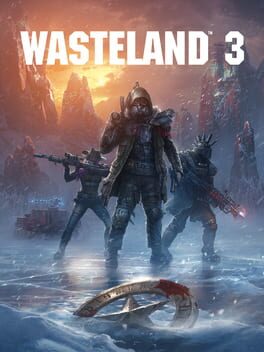
Wasteland 3Pure Optimization · tactical party RPG
Both lean on execution about the same (2 vs 2). Biggest difference: variance (5 vs 4) - Encounter layouts and loot locations hold hidden information on first run
full comparison →Game details
- Released
- 2018
- Developer
- Game Freak
- Franchise
- Pokémon
- Platforms
- Switch
- Modes
- Single player, Co-operative
- IGDB critics
- 80/100
- IGDB users
- 70/100
Role-playing (RPG)AdventureFantasyKidsOpen world