Loading Gamorium
games like
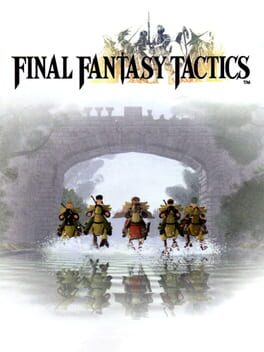
Final Fantasy Tactics
Final Fantasy Tactics leans Optimization (Pure Optimization). Below: catalogued games with the closest cheat-test profile, and exactly where each one differs.
Matched first against: Role-playing (RPG), Turn-based strategy (TBS), Tactical - then ranked by cheat-test profile.
12 games like Final Fantasy Tactics
A cross-genre tag below means that pick didn't share a genre - it filled a slot on cheat-test profile alone.
Pillars of Eternity II: DeadfirePure Optimization · isometric party RPG
Both lean on execution about the same (2 vs 2). Otherwise the profiles match closely.
full comparison →
Knights of the Old RepublicPure Optimization · story-driven RPG
Both lean on execution about the same (2 vs 2). Biggest difference: optimization (10 vs 9) - Force power selection, feat prerequisites and light/dark routing are systematically solvable
full comparison →
Fallout 2Pure Optimization · isometric RPG
Both lean on execution about the same (2 vs 2). Biggest difference: variance (4 vs 5) - Hidden special encounters and timed events create significant unknown-information space
full comparison →
Baldur's Gate II: Shadows of AmnPure Optimization · isometric party RPG
Both lean on execution about the same (2 vs 2). Biggest difference: variance (4 vs 5) - Loot randomization and enemy ability use create hidden-information layers
full comparison →
Divinity: Original Sin 2Pure Optimization · tactical party RPG
Both lean on execution about the same (2 vs 2). Biggest difference: reads (1 vs 2) - Multiplayer PvP arena adds light opponent-reading; solo is scripted
full comparison →
Medieval II: Total WarPure Optimization · grand strategy wargame
Both lean on execution about the same (2 vs 2). Biggest difference: variance (4 vs 3) - fog of war and event triggers hide some state
full comparison →
Honkai: Star RailPure Optimization · turn-based RPG
Both lean on execution about the same (2 vs 2). Biggest difference: variance (4 vs 5) - Relic substat RNG and gacha pulls drive character progression
full comparison →
Plague Inc: EvolvedPure Optimization · pandemic strategy
Both lean on reads about the same (1 vs 1). Biggest difference: execution (2 vs 1) - no reflex
full comparison →
Neverwinter Nights 2Pure Optimization · isometric party RPG
Both lean on execution about the same (2 vs 2). Biggest difference: optimization (10 vs 9) - 3.5E feat synergies and prestige class planning define optimal builds
full comparison →
Fire EmblemPure Optimization · tactical RPG
Both lean on reads about the same (1 vs 1). Biggest difference: execution (2 vs 1) - no real-time physical skill, turn-based
full comparison →
Arcanum: Of Steamworks and Magick ObscuraPure Optimization · isometric RPG
Both lean on execution about the same (2 vs 2). Biggest difference: variance (4 vs 5) - Hidden technology diagrams and faction reaction thresholds create exploration unknowns
full comparison →
Civilization: Beyond EarthPure Optimization · sci-fi 4X
Both lean on execution about the same (2 vs 2). Biggest difference: reads (1 vs 2) - Faction AI uses static scripts, not player-reactive strategies
full comparison →Game details
- Released
- 1997
- Developer
- Square Product Development Division 4
- Franchise
- Final Fantasy
- Platforms
- PS3, PS1, PSP
- Modes
- Single player
- IGDB users
- 86/100
Role-playing (RPG)Turn-based strategy (TBS)TacticalFantasyThrillerHistorical