Loading Gamorium
games like
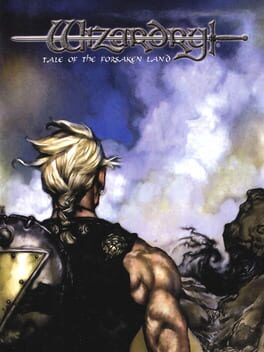
Wizardry: Tale of the Forsaken Land
Wizardry: Tale of the Forsaken Land leans Optimization (Pure Optimization). Below: catalogued games with the closest cheat-test profile, and exactly where each one differs.
Matched first against: Role-playing (RPG) - then ranked by cheat-test profile.
12 games like Wizardry: Tale of the Forsaken Land
A cross-genre tag below means that pick didn't share a genre - it filled a slot on cheat-test profile alone.
Titan QuestPure Optimization · action RPG
Both lean on execution about the same (2 vs 2). Otherwise the profiles match closely.
full comparison →
Stardew ValleyPure Optimization · farming life sim
Both lean on reads about the same (0 vs 0). Biggest difference: execution (2 vs 1) - Trivial timing on fishing and combat
full comparison →
Dragon Age: OriginsPure Optimization · tactical RPG
Both lean on execution about the same (2 vs 2). Biggest difference: reads (0 vs 1) - Enemy AI is scripted
full comparison →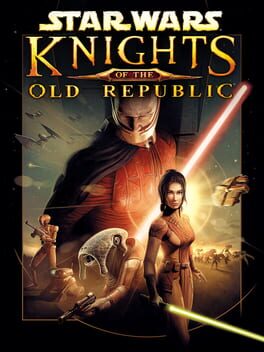
Knights of the Old RepublicPure Optimization · story-driven RPG
Both lean on execution about the same (2 vs 2). Biggest difference: reads (0 vs 1) - All enemies follow scripted AI behaviour trees without player modelling
full comparison →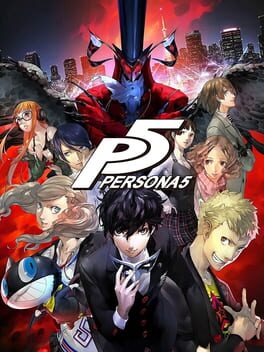
Persona 5Pure Optimization · social sim JRPG
Both lean on reads about the same (0 vs 0). Biggest difference: execution (2 vs 1) - Stylish menus, not reflexes
full comparison →
The Elder Scrolls III: MorrowindPure Optimization · open-world RPG
Both lean on execution about the same (2 vs 2). Biggest difference: variance (4 vs 3) - Hit chances rolled behind the screen
full comparison →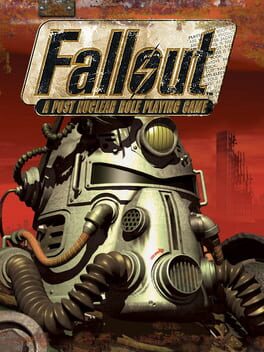
FalloutPure Optimization · post-apocalyptic CRPG
Both lean on reads about the same (0 vs 0). Biggest difference: execution (2 vs 1) - Turn-based, no dexterity
full comparison →
EarthBoundPure Optimization · turn-based RPG
Both lean on execution about the same (2 vs 2). Biggest difference: optimization (8 vs 7) - Status effects, rolling HP strategy, and Franklin Badge usage are solvable
full comparison →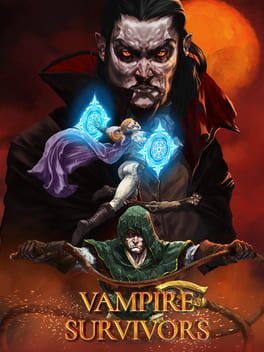
Vampire SurvivorsPure Optimization · survivor-like autoshooter
Both lean on reads about the same (0 vs 0). Biggest difference: execution (2 vs 1) - Movement is trivial; no aim or precision required.
full comparison →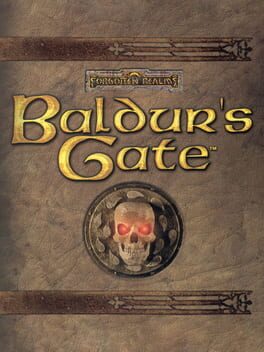
Baldur's GatePure Optimization · classic CRPG
Both lean on execution about the same (2 vs 2). Biggest difference: variance (4 vs 5) - AD&D dice rolls throughout.
full comparison →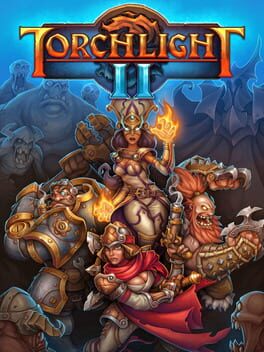
Torchlight IIPure Optimization · action RPG
Both lean on reads about the same (0 vs 0). Biggest difference: execution (2 vs 3) - Faster combat asks for dodging and skill timing
full comparison →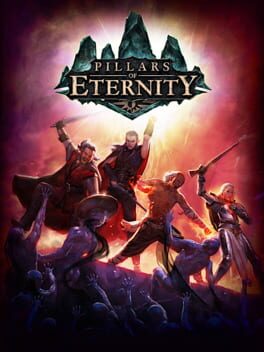
Pillars of EternityPure Optimization · isometric party RPG
Both lean on execution about the same (2 vs 2). Biggest difference: reads (0 vs 1) - All AI opponents use fixed scripted behaviour trees
full comparison →Game details
- Released
- 2001
- Developer
- Racjin
- Franchise
- Wizardry
- Platforms
- PS2
- Modes
- Single player
- IGDB users
- 73/100
Role-playing (RPG)Fantasy