Loading Gamorium
games like
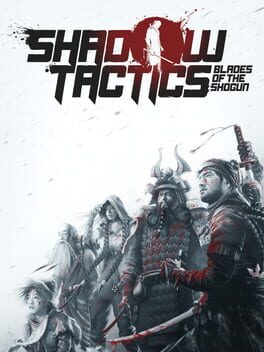
Shadow Tactics: Blades of the Shogun
Shadow Tactics: Blades of the Shogun leans Optimization (Practiced Mastery). Below: catalogued games with the closest cheat-test profile, and exactly where each one differs.
Matched first against: Real Time Strategy (RTS), Simulator, Strategy, Tactical - then ranked by cheat-test profile.
Like Shadow Tactics: Blades of the Shogun, but easier
Same cheat-test neighborhood, lower Execution demand - the hands aren't as punishing.
12 games like Shadow Tactics: Blades of the Shogun
A cross-genre tag below means that pick didn't share a genre - it filled a slot on cheat-test profile alone.
Desperados IIIPracticed Mastery · real-time tactics
Both lean on execution about the same (6 vs 6). Otherwise the profiles match closely.
full comparison →
Metal Gear Solid 3: Snake EaterPracticed Mastery · stealth action
Both lean on execution about the same (6 vs 6). Biggest difference: variance (3 vs 2) - Camouflage index and food supply introduce hidden-state management
full comparison →
Mount & Blade: WarbandPure Optimization · sandbox medieval RPG
Both lean on variance about the same (3 vs 3). Biggest difference: execution (6 vs 5) - Directional blocking with a real skill ceiling
full comparison →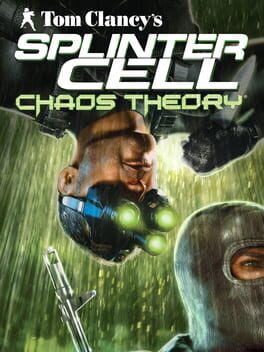
Splinter Cell: Chaos TheoryPure Optimization · stealth action
Both lean on reads about the same (1 vs 1). Biggest difference: execution (6 vs 5) - Rappel aim, hand-over-hand movement, and knockouts require care
full comparison →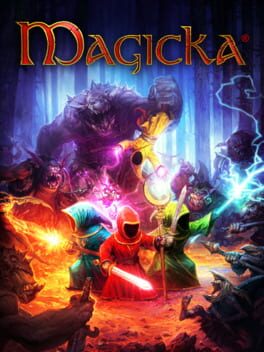
MagickaPracticed Mastery · spell-combo action
Both lean on execution about the same (6 vs 6). Biggest difference: variance (3 vs 2) - Co-op friendly-fire chaos adds unpredictability
full comparison →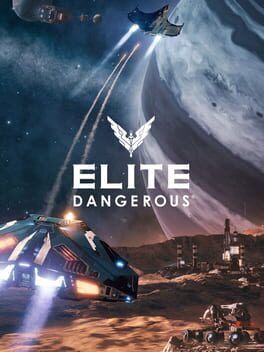
Elite DangerousPracticed Mastery · space sim
Both lean on execution about the same (6 vs 6). Biggest difference: reads (1 vs 2) - Light PvP reads, mostly PvE
full comparison →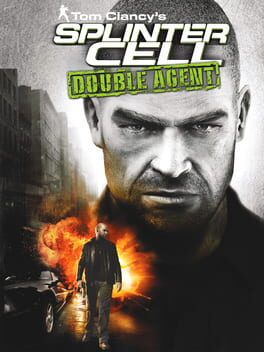
Tom Clancy's Splinter Cell: Double AgentPracticed Mastery · stealth action
Both lean on execution about the same (6 vs 6). Biggest difference: reads (1 vs 2) - Trust meter pressure is scripted, not adaptive.
full comparison →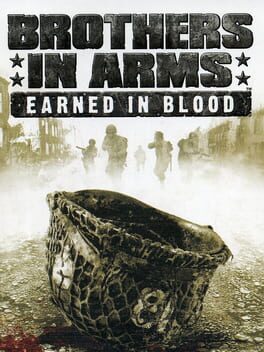
Brothers in Arms: Earned in BloodPracticed Mastery · tactical WWII shooter
Both lean on reads about the same (1 vs 1). Biggest difference: execution (6 vs 5) - Deliberately loose aim makes positioning matter more than twitch
full comparison →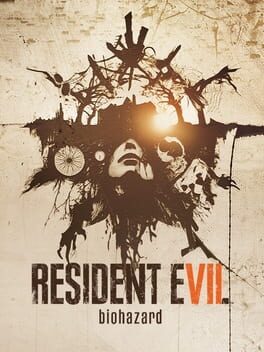
Resident Evil 7: BiohazardPracticed Mastery · first-person survival horrorcross-genre
Both lean on reads about the same (1 vs 1). Biggest difference: execution (6 vs 5) - First-person aiming and blocking under Molded pressure matters
full comparison →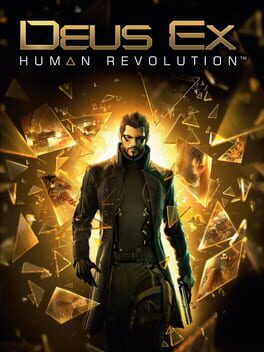
Deus Ex: Human RevolutionPure Optimization · immersive sim RPGcross-genre
Both lean on reads about the same (1 vs 1). Biggest difference: execution (6 vs 5) - Combat demands moderate aim; takedowns are execution-gated
full comparison →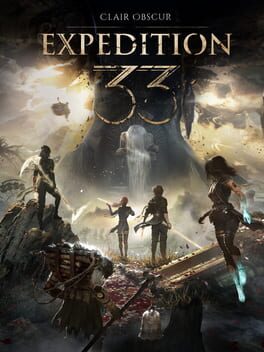
Clair Obscur: Expedition 33Practiced Mastery · turn-based RPGcross-genre
Both lean on execution about the same (6 vs 6). Biggest difference: reads (1 vs 0) - Bosses follow learnable scripted patterns
full comparison →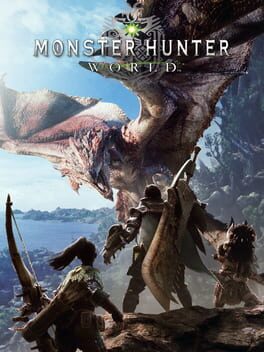
Monster Hunter: WorldPracticed Mastery · hunting action RPGcross-genre
Both lean on reads about the same (1 vs 1). Biggest difference: execution (6 vs 7) - Deliberate weapon timing against huge movesets
full comparison →Game details
- Released
- 2016
- Developer
- Mimimi Games
- Platforms
- PS4, Linux, Switch 2, PC, PS5, Mac, XONE
- Modes
- Single player
- IGDB critics
- 86/100
- IGDB users
- 83/100
Real Time Strategy (RTS)SimulatorStrategyTacticalIndieActionStealth